





 15/09/2026
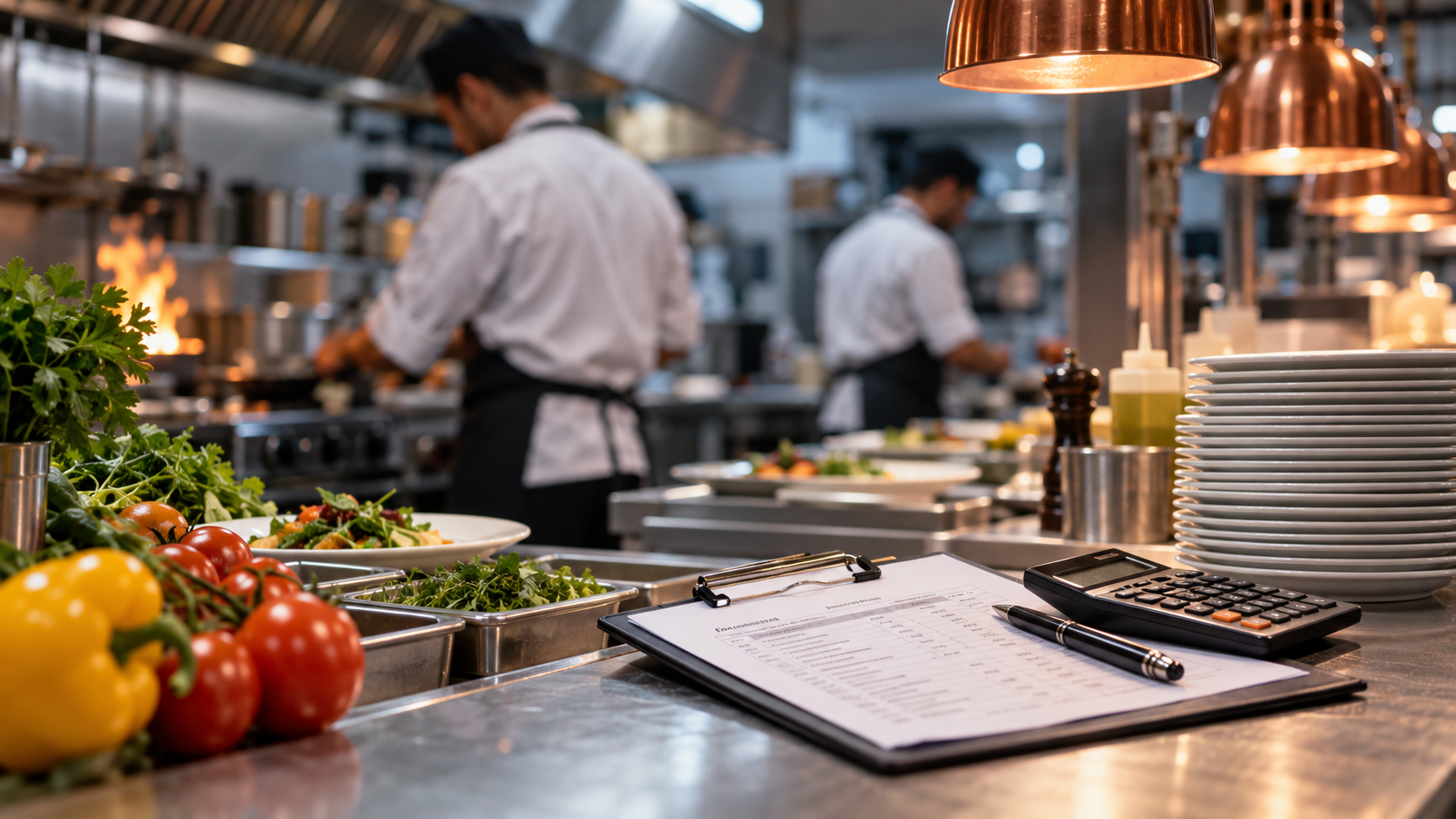
A restaurant can have strong sales and busy tables yet still generate lower-than-expected profits. Sometimes, the problem is not sales volume but small daily expenses that quietly accumulate over time.
1. Food Waste
Overproduction, poor storage, expired ingredients, and inconsistent portioning can gradually increase food costs.
2. Inconsistent Portion Sizes
When ingredient quantities vary from one employee to another, the actual cost of each dish becomes unpredictable. Standardized recipes and portions help control both cost and quality.
3. Inefficient Purchasing
Relying on a single supplier or purchasing without regularly comparing prices, quality, and supply terms can unnecessarily increase operating costs.
4. Unproductive Labor Hours
Overstaffing during quiet periods or poorly planned shifts can turn labor into an avoidable expense. Staffing should reflect actual demand patterns.
5. Low-Margin Menu Items
A popular dish is not necessarily a profitable one. Reviewing each item's food cost, selling price, and profit margin helps identify which dishes truly deserve their place on the menu.
In restaurant operations, losses do not always come from one major mistake. They often result from small inefficiencies repeated every day. Closely monitoring waste, costs, purchasing, and productivity can therefore be just as important as increasing sales.
 0
Like
0
Like
 0
Comment
0
Comment